
Health Fix
Health Conditions

Heart & Circulation

Learn the basics of common heart and circulation topics, including symptoms to recognize, what different tests measure, and how clinicians typically evaluate concerns. HealthFix is educational only and does not provide medical advice.

Evidence-led summaries
Clinician-style evaluation
AdSense-safe education

If you have severe chest pain, sudden shortness of breath, fainting, or one-sided weakness, seek emergency care immediately.
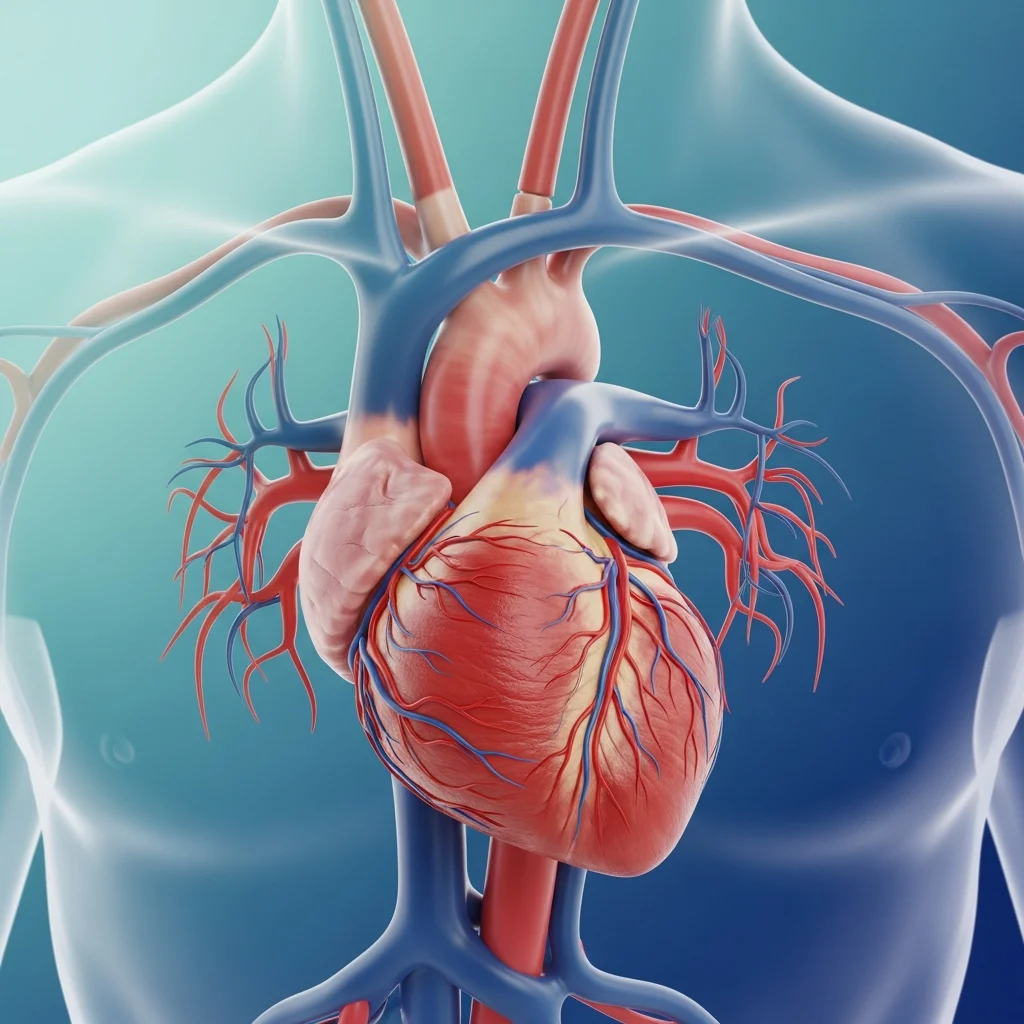
Illustration of heart and blood vessels representing circulation education

What you’ll find here: symptom explainers, circulation basics, blood pressure concepts, and diagnostic test overviews.

Medical disclaimer: HealthFix provides health education only. We do not diagnose, treat, or recommend medications. Always consult a qualified clinician for medical concerns.
Overview

What Heart & Circulation Covers

This hub organizes the most searched heart and circulation questions into clear topic groups. Use it to understand terms, recognize common symptom patterns, and see what doctors typically check during an evaluation.

Common reasons people land here

  • Chest discomfort, pressure, or tightness
  • Palpitations, pounding, fluttering, or “skipped beats”
  • Shortness of breath, dizziness, or faint feelings
  • Swelling in ankles/feet, cold extremities, leg pain with walking
  • Blood pressure concerns or confusing home readings
How to use this hub: Start with the topic group that matches your concern, then open an article to learn: what it commonly means, what else can mimic it, what clinicians ask, and when urgent care is appropriate.

Tip: Each article will link back here and to related topics for easy navigation.

Start here

Choose the Best Path for Your Question

This hub is organized so you can quickly find the most relevant explanation. Pick the option that matches what you’re trying to understand.

Note: HealthFix is educational only. If symptoms are severe or sudden, seek urgent medical care.
Topic lists

Articles We’re Building in This Cluster

These are the core pages for Heart & Circulation. As each article goes live, replace “Coming soon” with the real link.

Clinical context

How Clinicians Evaluate Heart & Circulation Concerns

Medical evaluation depends on symptoms, timing, risk factors, and exam findings. This section explains what doctors typically assess so you can better understand the process.

1) Symptom pattern

  • When it started and what triggers it
  • Associated symptoms (breathlessness, sweating, nausea)
  • Duration, intensity, and whether it recurs

2) Exam and vitals

  • Blood pressure, heart rate, oxygen saturation
  • Heart and lung exam
  • Swelling, skin temperature, pulses

3) Tests if needed

  • EKG/ECG and basic blood tests
  • Imaging or echo when indicated
  • Monitoring for rhythm symptoms
Emergency warning signs: severe chest pressure, new confusion, fainting, sudden weakness on one side, difficulty speaking, or severe shortness of breath should be evaluated urgently.
FAQ

Heart & Circulation Questions

Clear answers to common questions people ask before they search deeper.

Is this page medical advice?
No. HealthFix provides health education only. We explain common terms, symptoms, and tests in neutral language, but we do not diagnose conditions or recommend treatments. For personal medical guidance, consult a qualified clinician.
When should chest pain be treated as urgent?
Chest pain can have many causes, but severe pressure, pain with shortness of breath, sweating, nausea, fainting, or pain spreading to the arm, jaw, or back should be evaluated urgently. If symptoms feel sudden or severe, seek emergency care.
Why do blood pressure readings change so much?
Blood pressure varies with stress, activity, caffeine, sleep, hydration, pain, and measurement technique. Cuff size, body position, and timing can change numbers significantly. Use consistent technique and discuss persistent patterns with your clinician.
What does an EKG show?
An EKG (also called ECG) records the heart’s electrical activity. It can help identify rhythm issues and patterns that suggest strain or reduced blood flow, but it does not answer every cause of symptoms on its own. Results are interpreted in context with symptoms and other tests.
What does “poor circulation” usually mean?
“Poor circulation” is a broad term people use for cold hands/feet, numbness, swelling, color changes, or leg discomfort with walking. Causes range from benign to serious vascular issues, so clinicians look at symptoms, pulses, risk factors, and sometimes order vascular tests.
How often will these articles be updated?
We review key pages periodically and update them when reputable guidance changes or new evidence becomes widely accepted. Our editorial standards prioritize recognized public health and medical sources.
Sources

Trusted References We Use

HealthFix content is built from reputable medical and public health sources, summarized in plain language.

Heart health basics

  • National and international cardiology guidance
  • Public health agency resources
  • Peer-reviewed clinical references

Symptoms & safety

  • Emergency warning sign references
  • Condition overviews and diagnostic pathways
  • Patient education materials
Reminder: Educational content can’t replace personalized care. If you feel unwell or symptoms are worsening, contact a licensed medical professional.
Next

Start With the Most Common Topics

We’re building the Heart & Circulation cluster starting with chest pain, palpitations, blood pressure, and circulation basics. Bookmark this hub and check back as new pages go live.